In short
- Skin type describes how much oil your skin produces and how it behaves through the day: oily, dry, combination or normal. Sensitivity is a separate trait that can come with any type.
- The bare-face test is the simplest way to find it: cleanse, wait 30 minutes without products, then observe shine and tightness.
- Dehydration is a condition, not a type. Even oily skin can be dehydrated, usually from harsh cleansing or over-exfoliation.
- Skin type can shift with age, hormones, season and climate, so re-test once or twice a year.
Almost every skincare recommendation starts with “for your skin type”. Yet many people buy for the wrong one: they treat dehydrated skin as oily and strip it, or treat combination skin as dry and clog it. Knowing your real skin type is the cheapest skincare upgrade there is.
The five skin types (and one trait)
Dermatologists generally describe skin by its oil production and behavior:
- Normal: balanced, rarely tight or shiny, few breakouts.
- Oily: shiny across the face within hours of cleansing, often with visible pores and a tendency to clog.
- Dry: produces less oil, feels tight, may look dull or flaky, and fine lines show more easily.
- Combination: oily in the T-zone (forehead, nose, chin) and normal to dry on the cheeks. The most common type.
- Sensitive: reacts easily with stinging, burning, redness or itching. This is really a trait that can appear with any of the types above.


The 30-minute bare-face test
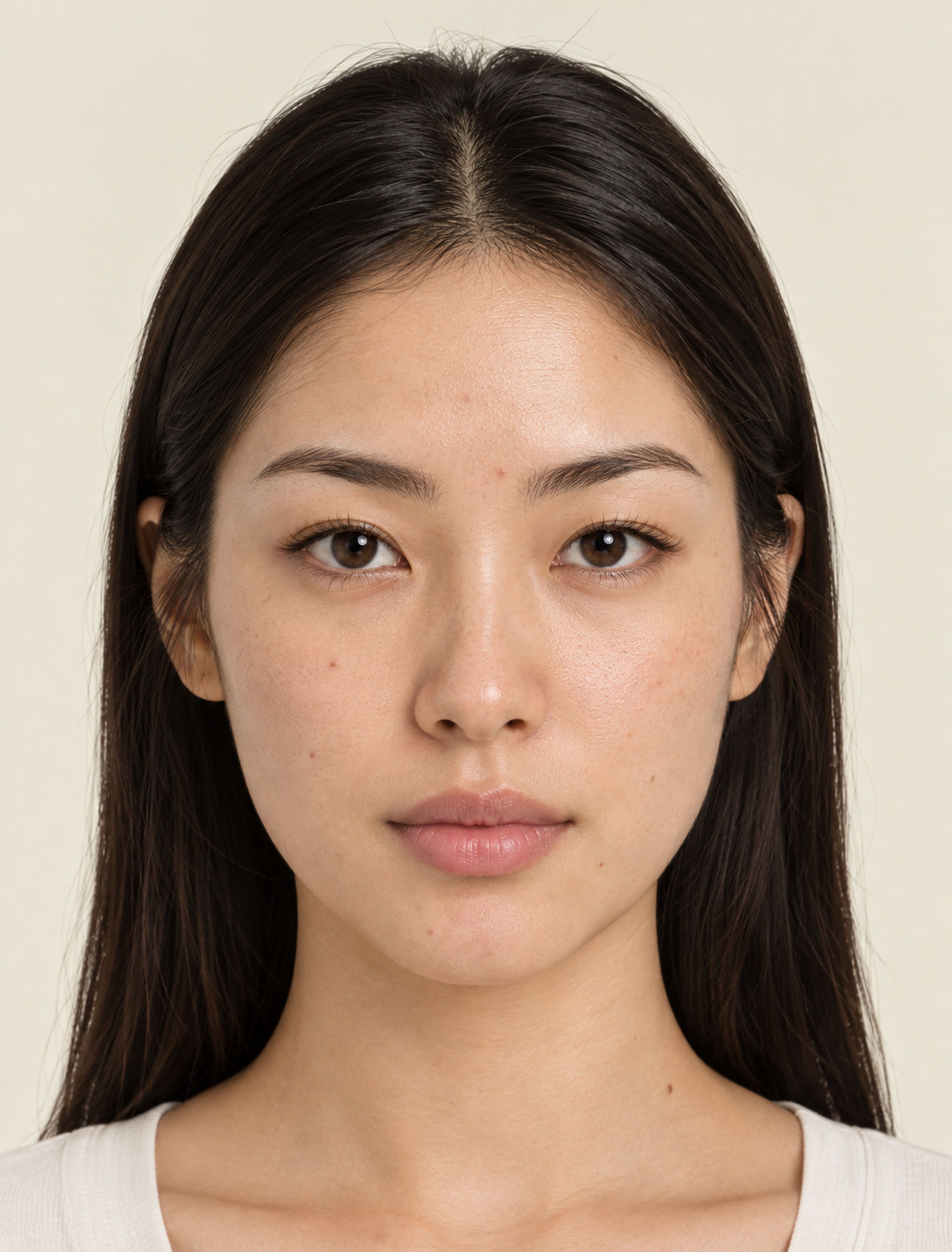
This is the method most dermatologists suggest you try at home. It takes half an hour and no special equipment.
- Cleanse with a gentle, non-stripping cleanser and pat dry.
- Apply nothing. No toner, serum, moisturizer or sunscreen. Stay indoors, away from heat.
- Wait 30 minutes. Don’t touch your face.
- Observe in natural light, then press a clean blotting paper or tissue to your forehead, nose, cheeks and chin.
Reading the results
| What you notice | Likely type |
|---|---|
| Shine all over, oil on the paper from every zone | Oily |
| Tight, rough or flaky, no oil on the paper | Dry |
| Shine on forehead, nose and chin, cheeks comfortable or tight | Combination |
| Comfortable, a little oil on the nose at most | Normal |
| Stinging, redness or itching after cleansing alone | Sensitive (with any type) |
Dry vs. dehydrated: the most common mix-up
Dry skin lacks oil. Dehydrated skin lacks water. They feel similar but need different care.
Signs of dehydration:
- Tight after cleansing, yet shiny a few hours later.
- Fine, crisscrossing lines that plump up after moisturizing.
- Makeup that looks patchy or cakey.
- Products that suddenly sting.
Dehydration is usually caused by what we do: harsh foaming cleansers, hot water, over-exfoliation, too many actives, dry air or air conditioning. The fix is to remove the cause and support the skin barrier with humectants such as glycerin and hyaluronic acid, plus a moisturizer to seal them in.
What each skin type needs
Oily skin
- Cleanser: a gentle gel cleanser; avoid stripping, high-pH soaps that can trigger rebound shine and dehydration.
- Actives: niacinamide for oil and pores, salicylic acid to keep pores clear, retinoids for texture.
- Moisturizer: yes, even oily skin needs one. Choose a light gel or fluid.
- Sunscreen: fluid, gel or “matte” textures you’ll reapply.
Dry skin
- Cleanser: cream, milk or oil cleansers; consider just water in the morning.
- Actives: gentle ones, introduced slowly; lactic acid rather than glycolic for exfoliation.
- Moisturizer: creams with ceramides, cholesterol and fatty acids, glycerin, squalane or shea. Consider an occlusive layer at night in winter.
- Sunscreen: moisturizing lotions or creams.
Combination skin
- Treat zones differently. A light lotion everywhere, with an extra layer of cream on dry cheeks only.
- Targeted actives. Salicylic acid on the T-zone, hydrating serums on the cheeks.
- Avoid harsh cleansers that dry the cheeks while trying to control the T-zone.
Normal skin
- Keep it simple. A gentle cleanser, a moisturizer and daily sunscreen; add an active like vitamin C or a retinoid for prevention if you want.
Sensitive skin
- Fewer, fragrance-free products, introduced one at a time after patch testing.
- Soothing ingredients: niacinamide at lower strengths, centella, panthenol, ceramides, azelaic acid for redness.
- See our full sensitive skin guide.
Skin type changes over time
Your skin type isn’t permanent. Hormones (puberty, pregnancy, menopause), age, medications, season and climate all shift oil production. Many people living in hot, humid places find their skin oilier in summer; air conditioning and winter heating dry skin out. Re-run the bare-face test when the seasons change or your routine stops feeling right.
Put it to work
Once you know your type, you can choose formats and actives that fit, and build your routine in the right order. In Neem, you can simply describe your skin in your own words (“oily T-zone, tight cheeks after washing, marks after breakouts”) and the AI turns it into a skin profile that every product analysis and simulation takes into account.
Frequently asked questions
Can my skin type change?
Yes. Oil production changes with hormones, age, medication, season and climate. Many people have oilier skin in their teens and twenties and drier skin later, or oilier skin in summer and drier skin in winter.
What's the difference between dry and dehydrated skin?
Dry skin produces less oil; it is a skin type. Dehydrated skin lacks water; it is a temporary condition any skin type can have. Dehydrated skin often feels tight yet can still look shiny.
Is sensitive skin a skin type?
It's best thought of as a trait on top of your type. You can have oily sensitive skin or dry sensitive skin. Sensitivity means your skin reacts easily, with stinging, burning, redness or itching, to products or the environment.
This article is for general information only and is not medical advice. Skin is individual: for a skin condition, a reaction or anything that worries you, please see a dermatologist or doctor.