
In short
- Hyperpigmentation is excess melanin. The main types are sun spots, post-inflammatory hyperpigmentation (marks after acne or irritation) and melasma.
- Daily broad-spectrum sunscreen is the non-negotiable foundation: without it, no brightening ingredient can keep up.
- Well-studied ingredients include azelaic acid, niacinamide, vitamin C, retinoids, tranexamic acid, alpha arbutin and AHAs.
- Expect gradual fading over 8 to 12 weeks or more. Melasma is chronic and is best managed with a dermatologist.
Dark spots are one of the most common skin concerns worldwide, and one of the most frustrating. They appear in a day and take months to fade. And they’re not all the same: a sun spot, a mark left by a breakout and melasma each have different causes and respond differently to treatment.
This guide helps you identify what you’re dealing with and build a routine that works, for every skin tone.
What is hyperpigmentation?
Hyperpigmentation is an area of skin that is darker than its surroundings because of excess melanin, the pigment that gives skin its color. Melanin is made by cells called melanocytes, which ramp up production when triggered by UV light, inflammation or hormones.
The three main types
Sun spots (solar lentigines)
Flat brown spots on sun-exposed areas: face, hands, shoulders. They appear after years of UV exposure and are more common on fair to medium skin, from the thirties onward.
Post-inflammatory hyperpigmentation (PIH)
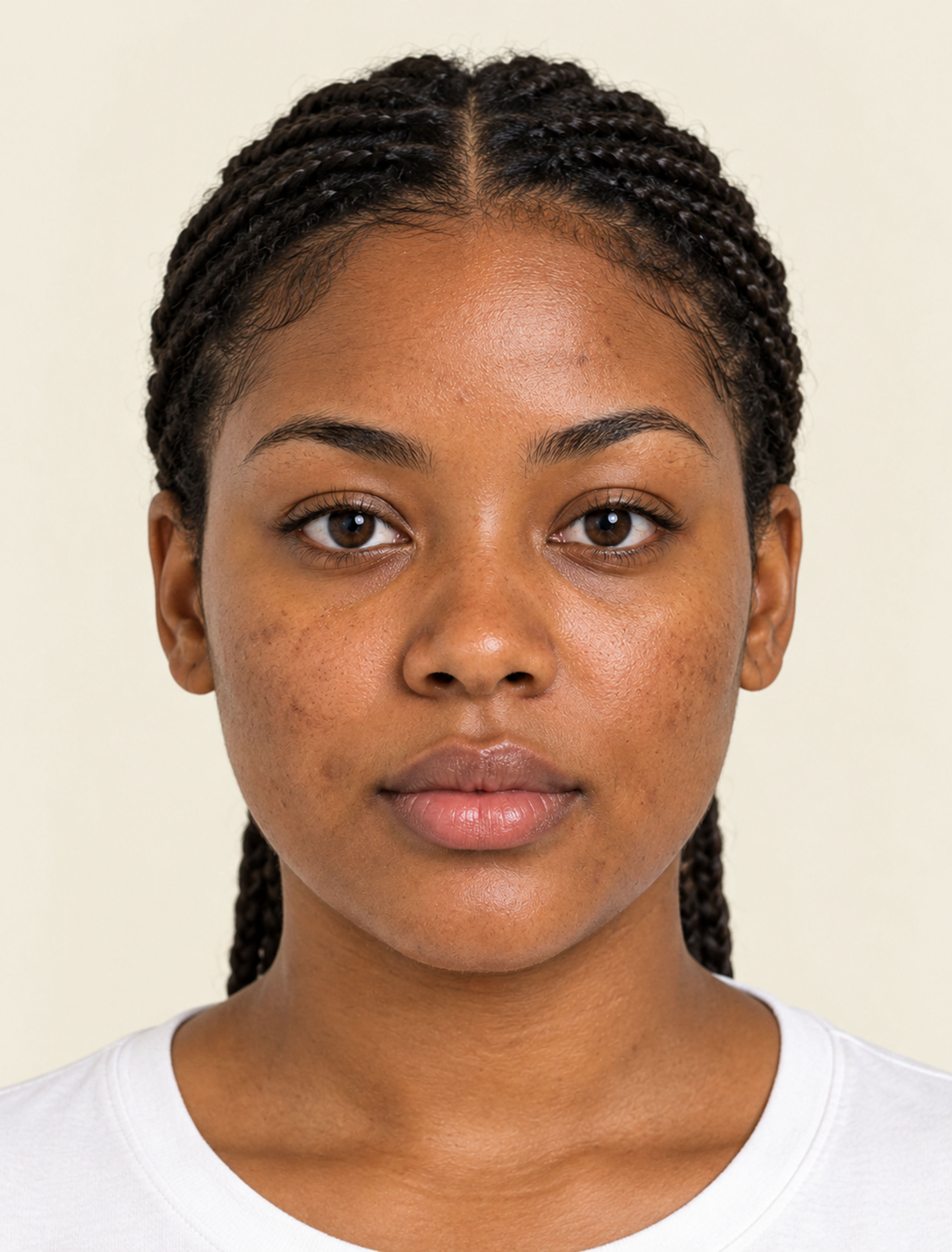
Flat marks left after inflammation: a breakout, an insect bite, eczema, a burn, or irritation from harsh products. They range from pink-brown to dark brown or grey, and are more frequent, darker and longer-lasting on medium to deep skin tones.
Melasma
Symmetrical, blotchy patches, typically on the cheeks, forehead, upper lip and chin. It’s driven by hormones (pregnancy, hormonal contraception), UV and visible light, and heat, and is more common in women with medium to deeper skin. Melasma is chronic and tends to recur; it’s best diagnosed and managed with a dermatologist.
Step one, always: sun protection
UV light, and for deeper skin tones also visible light, stimulates melanin production. Without daily protection, dark spots darken and new ones form faster than any serum can fade them.
- Broad-spectrum SPF 30 or higher, every day, rain or shine.
- Enough of it, and reapplied every two hours outdoors.
- For melasma and PIH on deeper skin, tinted sunscreens with iron oxides also help block visible light.
- Hats and shade on strong sun days.
Everything you need is in our sunscreen guide.
The ingredients that fade dark spots
| Ingredient | How it helps | Notes |
|---|---|---|
| Azelaic acid | Slows overactive pigment cells; anti-inflammatory | Great for PIH and acne-prone skin |
| Niacinamide | Reduces pigment transfer to skin cells | Gentle; pairs with everything |
| Vitamin C | Inhibits melanin production; antioxidant | Morning, under sunscreen |
| Retinoids | Speed turnover; disperse pigment | Start slowly; night only |
| Tranexamic acid | Interrupts pigment signalling | Well studied for melasma |
| Alpha arbutin, kojic acid | Inhibit tyrosinase | Common in brightening serums |
| AHAs | Exfoliate pigmented surface cells | Lactic or mandelic for sensitive or deeper skin |
| Hydroquinone | Strong tyrosinase inhibitor | Regulated; use only under medical advice |
Combining two or three ingredients that work in different ways (for example niacinamide plus azelaic acid, or vitamin C in the morning and a retinoid at night) often works better than one alone.
A routine for dark spots
Morning
- Gentle cleanser
- Vitamin C serum (or niacinamide)
- Moisturizer
- Broad-spectrum SPF 30+, tinted if you have melasma or PIH
Evening
- Cleanse thoroughly
- Azelaic acid, a retinoid or tranexamic acid (one at a time to start)
- Moisturizer
Introduce actives one at a time after a patch test, and keep strong ones apart (what not to mix).
Special care for deeper skin tones
Medium to deep skin produces more melanin in response to inflammation, so irritation itself can cause new dark marks. That changes the strategy:
- Gentle wins. Avoid harsh scrubs, high-strength peels and anything that stings for long.
- Introduce actives slowly and back off at the first sign of irritation.
- Treat acne early to prevent new marks. See our acne-prone skin routine.
- Be cautious with in-office treatments: some lasers and peels carry a higher risk of rebound pigmentation on deeper skin and need an experienced practitioner.

What not to do
- Don’t pick or squeeze spots: it deepens and prolongs marks.
- Don’t use lemon juice, baking soda or toothpaste: they irritate and can make pigmentation worse.
- Don’t skip sunscreen on cloudy days or indoors near windows.
- Don’t expect overnight results from anything that promises them.
How long it takes
- 4 to 6 weeks: early, subtle lightening.
- 8 to 12 weeks: noticeable fading of most PIH, with consistent sunscreen.
- 3 to 6 months or more: sun spots and deeper marks; melasma needs ongoing maintenance.
See the full picture in how long skincare takes to work. To preview what a specific brightening serum could do for skin like yours over 90 days, try an AI skincare simulation.
When to see a dermatologist
- A spot that’s changing in size, shape or color, bleeding or itching. Some skin cancers can look like a dark spot.
- Melasma, or pigmentation that doesn’t respond to three months of good care.
- If you’re considering prescription treatments, peels or lasers.
The bottom line
Dark spots fade with a simple formula: protect (daily sunscreen), treat (one or two proven brighteners), prevent (calm inflammation and don’t pick), and wait (three months, honestly). Done consistently, it works for every skin tone.
Frequently asked questions
How long does it take for dark spots to fade?
Post-acne marks often fade noticeably in 8 to 12 weeks with consistent treatment and sunscreen, though deeper marks can take 6 to 12 months. Sun spots and melasma usually take longer and may need professional treatment.
What's the difference between a dark spot and a scar?
A dark spot (post-inflammatory hyperpigmentation) is flat and only a color change; it fades over time. A scar changes the skin's texture, either sunken (atrophic) or raised. Topical skincare helps dark spots much more than scars.
Can hydroquinone be used for dark spots?
Hydroquinone is an effective lightening agent, but its availability varies by country and in some places it is prescription-only or restricted in cosmetics. It should be used under medical supervision and for limited periods.
Why do my dark spots keep coming back?
Usually because of UV or visible light exposure, new breakouts or irritation, or hormonal triggers in melasma. Daily sunscreen, reapplication, treating acne early and avoiding picking are the best prevention.
This article is for general information only and is not medical advice. Skin is individual: for a skin condition, a reaction or anything that worries you, please see a dermatologist or doctor.